



10 Easy Kindergarten Science Experiments for kindergarteners
- March 06, 2026
- preschool
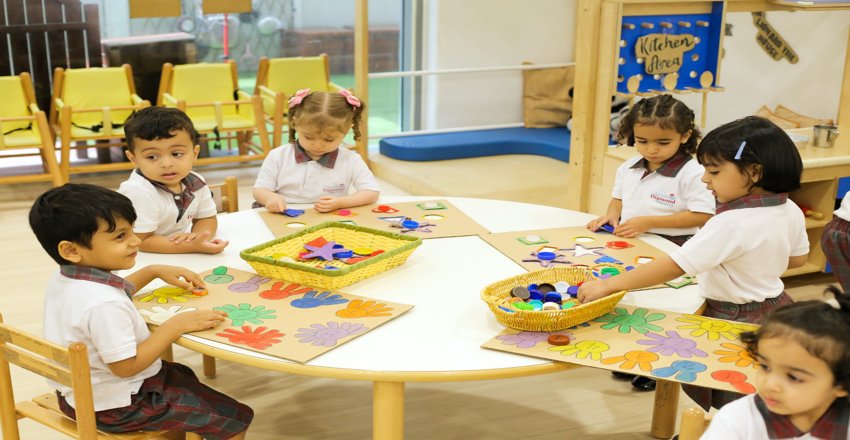
Science experiments for young children are often dismissed as messy distractions from "real learning." That thinking misses the point entirely. The best kindergarten science experiments aren't about producing perfect results - they're about sparking the kind of curiosity that turns a five-year-old into someone who asks "why?" for the rest of their life. I've watched classrooms transform when a child's eyes go wide at a fizzing volcano or a dancing raisin. That moment of wonder? It's basically the whole point.
Best Kindergarten Science Experiments for Young Learners
These ten experiments work because they're visual, hands-on, and use materials you probably already have. Honestly, the only thing that really matters is picking activities where children can see something change. Everything else is secondary.
1. Baking Soda Volcano
This one never gets old. Mix baking soda with a splash of vinegar and watch the eruption. The fizzing and bubbling captivates children instantly, and it introduces the concept of chemical reactions without any complicated explanations. I usually place the volcano on a tray (trust me on this) and let kids add food colouring for dramatic lava effects. Simple. Effective. Memorably messy.
2. Rainbow Milk Experiment
Pour milk into a shallow dish, add drops of different food colours around the edges, then touch a cotton bud dipped in dish soap to the centre. The colours swirl and dance away from the soap. It's surface tension at work, though for kindergarteners, "the soap pushes the colours away" works just fine as an explanation.
3. Sink or Float Discovery
Fill a container with water and gather random objects - a coin, a cork, a plastic toy, a piece of fruit. Have children predict which items will sink or float before testing. The surprise when an orange floats but a grape sinks? Priceless. This experiment teaches density in the most intuitive way possible.
4. Walking Water Rainbow
Line up glasses in a row, fill alternating glasses with coloured water, and connect them with paper towels. Over several hours, the water "walks" through the towels into the empty glasses, creating new colours where they meet. It requires patience, which makes it perfect for teaching that science sometimes needs time.
5. Magic Balloon Inflation
Stretch a balloon over a bottle containing vinegar and baking soda. The gas produced inflates the balloon without anyone blowing into it. Children absolutely love this one because it feels like actual magic until you explain the science behind it.
6. Dancing Raisins
Drop raisins into a glass of fizzy water or clear lemonade. The bubbles attach to the raisins, lift them up, pop at the surface, and the raisins sink again. Up and down, over and over. It's mesmerising, and it demonstrates buoyancy in a way that sticks.
7. Colour Mixing Ice Cubes
Freeze coloured water in ice cube trays. Give children trays of warm water and let them place different coloured cubes together to discover which primary colours combine to make secondary ones. The slow melting adds an element of anticipation, and the tactile experience of handling the cold cubes engages multiple senses.
8. Magnetic Treasure Hunt
Hide small metallic objects around the room and give children magnets to find them. This introduces magnetic properties while turning learning into an adventure. But what makes it really memorable? The moment a child discovers that not all shiny things are magnetic. That confusion, then understanding - that's learning in action.
9. Growing Seeds in Bags
Place damp cotton wool and a bean seed inside a clear plastic bag. Tape it to a window. Over days, children watch roots push down and shoots reach up toward the light. It's slow science, which teaches patience, and it's one of the easy science experiments for kids that connects directly to nature.
10. Invisible Ink Messages
Use lemon juice to write secret messages on paper. When the paper is held near a warm light source (an adult's job), the writing appears. This creates a sense of mystery and introduces oxidation in a genuinely exciting way.
Making Science Experiments Successful with Kindergarteners
The experiments are the easy part. Managing twenty curious five-year-olds while handling vinegar and food colouring? That's where things get interesting.
Safety Guidelines for Young Scientists
Always supervise activities involving liquids, small objects, or heat sources
Establish a "look first, touch second" rule before starting
Use plastic containers instead of glass whenever possible
Keep cleaning supplies within reach (spills will happen)
Materials Organisation Tips
Prep everything before children arrive. I learned this the hard way after spending ten frantic minutes searching for baking soda while twenty kindergarteners grew restless. Pre-measure ingredients, lay out materials in order of use, and have backups ready. Sounds simple, right? It saves entire sessions from falling apart.
Managing Group Activities
Small groups work better than whole-class demonstrations. Four or five children per station means everyone gets hands-on time. Rotate groups every ten minutes. Assign roles - one child pours, another stirs, someone else observes and reports. This structure prevents the chaos of everyone grabbing for the same materials.
Encouraging Scientific Thinking
Ask questions before, during, and after each experiment:
What do you think will happen?
What do you see right now?
Why do you think that happened?
The single most frustrating part of children's science education is when adults rush to give answers. Resist that urge. Let children struggle with their theories for a moment. The thinking matters more than the correct answer.
Bringing Science to Life for Kindergarteners
Running easy science experiments for kindergarteners is a bit like planting seeds yourself - you provide the right conditions and then step back. The growth happens on its own terms. I remember one child who barely spoke during class suddenly becoming animated when she realised she could make raisins "dance." That moment wasn't about teaching her carbonation. It was about showing her that she could make things happen, that the world responds to curiosity.
Start with one experiment this week. See what captures attention. Build from there. The mess washes off. The wonder doesn't.
Frequently Asked Questions
What materials do I need for easy science experiments for kindergarteners?
Most kindergarten science experiments use everyday household items: baking soda, vinegar, food colouring, dish soap, water, paper towels, and plastic containers. A basic set of magnets and some seeds round out a solid starter kit.
How long should kindergarten science experiments last?
Keep individual experiments to 10-15 minutes of active time. Children this age have short attention spans, so it's better to complete a brief, exciting activity than to drag out something that loses their interest.
Can these experiments be done at home or only in classrooms?
Every experiment listed here works at home. In fact, home settings often allow for more one-on-one engagement, which deepens learning. The kitchen table becomes a laboratory.
What skills do children develop through science experiments?
Beyond basic scientific concepts, children develop observation skills, prediction abilities, fine motor control, patience, and the confidence to ask questions. These experiments also build vocabulary as children learn words like "dissolve," "float," and "reaction."
How do I explain scientific concepts to 5-year-olds?
Keep explanations short and concrete. Instead of discussing "chemical reactions," say "when these two things mix together, they make bubbles." Connect new ideas to things children already know. And when they ask questions you can't answer, admit it - then explore together.