



Best Decor Classroom Ideas for Kindergarten: Step-by-Step Guide
- March 06, 2026
- Daycare Center
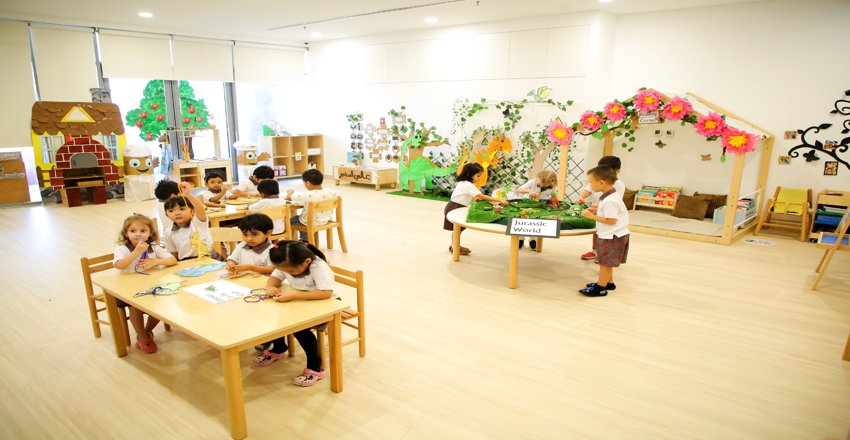
Most advice about classroom decoration ideas for kindergarten starts with the same suggestion: buy a theme pack online and stick it to the walls. That might look polished for the first week. After that, those decorations become visual wallpaper and the kids stop noticing them entirely. A classroom that actually works - one where children feel curious and calm and engaged - requires something different. It requires intention.
I've spent years setting up and resetting kindergarten classrooms. Some attempts were brilliant. Others were disasters I dismantled within days. What I've learned is that how to decorate your classroom matters far less than why you're decorating it. Every element should serve learning or comfort or both.
Top Kindergarten Classroom Decoration Ideas
1. Interactive Learning Wall Displays
Static posters are fine. Interactive walls are better. The difference? One hangs there looking pretty while the other invites tiny hands to touch and move and explore. Think Velcro letters that children can rearrange, felt boards where they build simple sentences, or a weather station they update each morning. The best decor classroom ideas are the ones children actually use.
A word of caution here. I once created an elaborate interactive calendar system with so many moving parts that it took fifteen minutes to update. The children loved it. The morning routine fell apart completely. Keep it simple enough that it enhances learning rather than derailing it.
2. Cosy Reading Corner Setup
Every kindergarten needs a space that whispers "slow down." Soft cushions, a small rug, perhaps a fabric canopy overhead. The reading corner isn't just about books - it's about creating a sensory shift from the busy main classroom. Some teachers add fairy lights (battery-operated, obviously). Others use natural elements like potted plants or a small basket of smooth stones children can hold while listening to stories.
3. Alphabet and Number Zones
These zones form the backbone of early learning environments. But here's what drives me slightly mad: alphabet walls that are beautiful but functionally useless. Fancy fonts might look lovely on Instagram. Children learning to read need clear, simple letterforms they can actually recognise and replicate. Place alphabet displays at child eye level - roughly 90cm from the floor. That's the sweet spot.
4. Seasonal Theme Decorations
Seasonal changes keep the classroom feeling fresh without requiring a complete overhaul. Autumn leaves and harvest themes give way to winter snowflakes and spring blossoms. The trick is creating systems that make swapping easy. Dedicated display boards with removable elements work wonderfully. Laminated pieces last for years.
5. Student Work Gallery Space
This one matters more than most people realise. When children see their own artwork displayed prominently, they understand their efforts are valued. A dedicated gallery wall - even just a long string with mini pegs - transforms the classroom into their space rather than simply a space they occupy.
6. Sensory Learning Stations
Sensory stations might include sand trays, water tables, textured fabric panels, or bins filled with dried pasta and rice. These aren't decorations in the traditional sense. They're functional elements that happen to look interesting. The visual variety they add to the classroom is almost a bonus.
7. Behaviour Chart Display Area
Behaviour systems need visibility without dominating the room. A clip chart or pocket system works well when placed near the main teaching area but not dead centre. Children benefit from visual reminders of expectations. Just ensure the system focuses on positive reinforcement rather than public shaming - nobody learns well when embarrassed.
8. Welcome Door Designs
The door is the first thing children (and their parents) see each day. A welcoming door design sets the tone before anyone steps inside. Classroom decoration ideas for kindergarten doors often feature friendly characters, the children's names, or simple welcoming phrases. Change it termly to maintain interest.
How to Decorate Your Classroom Step-by-Step?
Step 1: Plan Your Layout
Before buying a single thing, sketch your room. Mark windows, doors, electrical outlets, and fixed furniture. Identify traffic paths - where will children walk during transitions? Planning prevents the frustration of installing a beautiful display exactly where twenty children need to queue for the toilet.
Step 2: Choose Your Colour Scheme
Colour affects mood. Sounds obvious, right? Yet many classrooms end up looking like a rainbow exploded because every decoration uses different palettes. Pick two to three main colours and stick with them. Calming tones - soft blues, greens, warm neutrals - create better learning environments than aggressive primary colour bombardment.
Step 3: Create Learning Zones
Divide your space into distinct areas with clear purposes:
Whole-group teaching area (carpet space)
Small-group work tables
Independent learning stations
Quiet reading corner
Creative/messy play zone
Use rugs, shelving units, or even different coloured floor tape to visually separate zones. Children understand boundaries better when they can see them.
Step 4: Install Wall Decorations
Now the fun part. Work from anchor pieces outward - your alphabet display, number line, and calendar typically form the backbone. Fill remaining wall space with interactive elements, student work displays, and reference materials. Leave some white space. Overwhelming walls create sensory overload.
Step 5: Organise Storage Solutions
Storage isn't technically decoration. It is definitely visual. Clear labelled bins, colour-coded baskets, and accessible shelving make the room look intentional and tidy. Children can also help maintain organisation when they can clearly see where items belong. Labels with both words and pictures work best for this age group.
Step 6: Add Finishing Touches
The small details matter. A plant on your desk. Cosy cushions in the reading corner. Fairy lights above the writing station. These finishing touches transform a functional room into a space that feels genuinely welcoming.
Transform Your Kindergarten Classroom Today
Decorating a kindergarten classroom resembles tending a garden more than constructing a building. It's not something finished once and then forgotten. It grows and changes with the children who use it. Their artwork replaces the displays put up in September. Seasonal themes rotate. Zones adjust based on what's working and what isn't.
Start with one corner if the whole room feels overwhelming. Perfect that single space. Then move to the next. Within weeks, those individual improvements accumulate into something genuinely transformative.
Frequently Asked Questions
What are the most budget-friendly classroom decoration ideas for kindergarten?
Natural materials cost nothing - pine cones, leaves, and stones collected on walks make excellent display elements. Repurposing cardboard boxes, using fabric scraps, and leveraging free printable resources also stretch limited budgets significantly.
How often should I change classroom decorations?
Major changes work well termly or seasonally. Student work displays should refresh more frequently - every two to three weeks keeps children engaged and ensures everyone's work gets highlighted throughout the year.
Which colours work best for kindergarten classroom walls?
Soft, calming colours create optimal learning environments. Think sage green, warm cream, soft blue, or gentle coral. These provide a neutral backdrop that lets learning materials and student work stand out without competing for visual attention.
How can I incorporate student artwork into classroom decor?
Dedicate specific wall spaces as rotating galleries. Use clipboards or string with pegs for easy swapping. Frame exceptional pieces. Create collaborative murals where each child contributes a section.
What safety considerations should I keep in mind when decorating?
Secure all wall hangings properly - falling displays cause injuries. Avoid small detachable parts that create choking hazards. Keep electrical cords hidden and inaccessible. Ensure floor decorations don't create tripping hazards. Check that all materials used are non-toxic.